


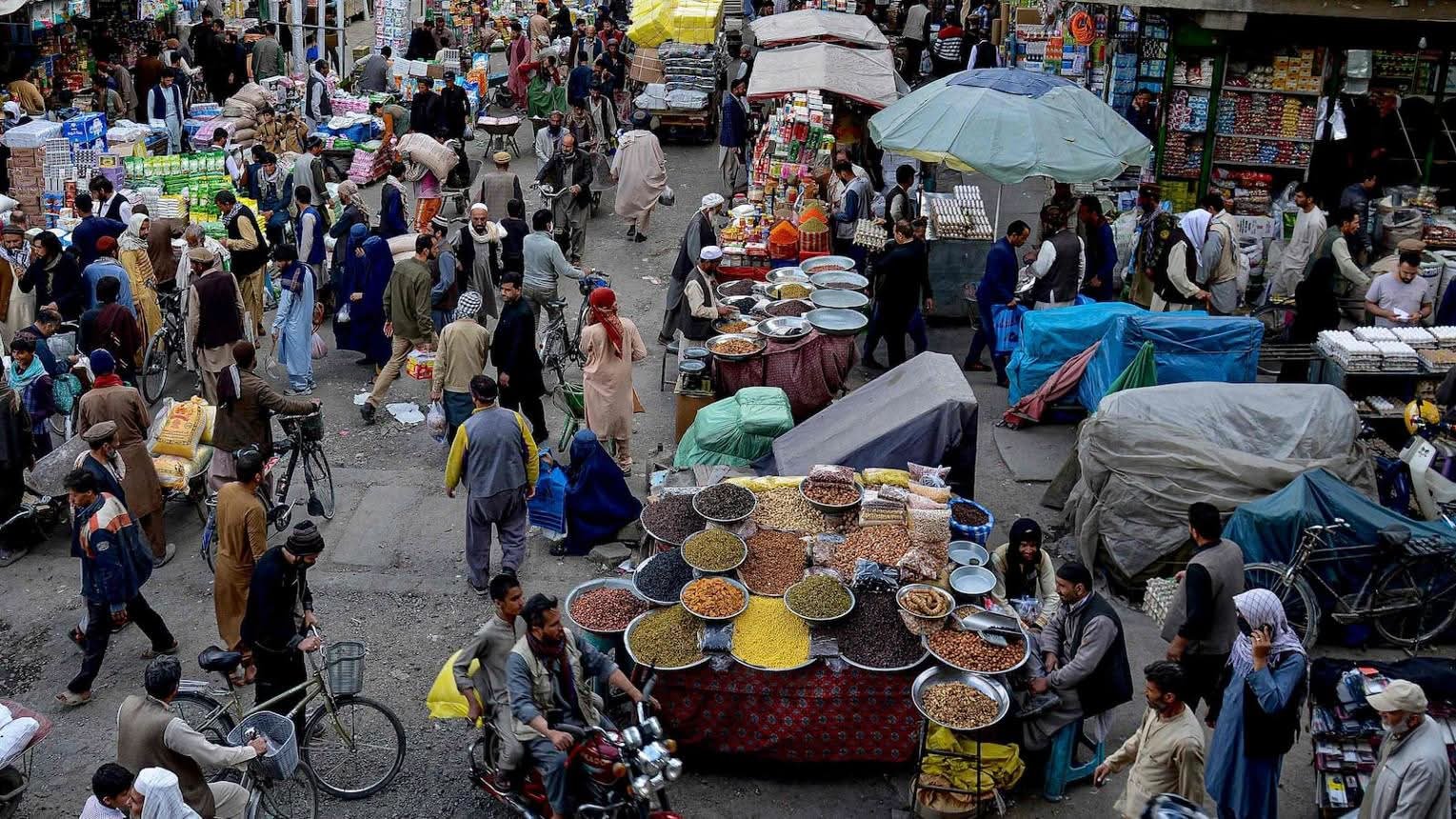
The World Bank has projected that Afghanistan’s economy will grow by approximately 3 percent in fiscal year 2026. However, the institution warns that rapid population growth and persistent structural weaknesses are preventing economic expansion from translating into improved living standards for ordinary Afghans.
According to the World Bank’s November 2026 Afghanistan Development Update, economic output is expected to increase at a slower pace than the country’s population. As a result, output per person is projected to decline.
The report identifies agriculture as one of the main drivers of this year’s economic growth. Agricultural production has recovered following the drought experienced in 2025. However, private investment and exports remain under pressure, highlighting the fragile nature of Afghanistan’s economic recovery.
Rising Prices Continue to Put Pressure on Households
The World Bank has also highlighted growing concerns about inflation and declining household purchasing power.
Inflation is projected to average approximately 7 percent during fiscal year 2026. The report also indicates that casual workers have faced fewer employment opportunities and declining purchasing power.
The situation is particularly difficult for daily wage earners, vulnerable families and people returning to Afghanistan from neighbouring countries.
Trade Routes Face Continued Disruption
The closure of the Afghanistan-Pakistan border has affected the country’s trade structure.
According to the World Bank, Afghan imports have increasingly shifted towards alternative routes through Iran and Central Asian countries.
Although these routes provide important alternatives, greater dependence on a limited number of trade corridors could expose Afghanistan to additional economic disruptions.
Food Insecurity Remains a Major Concern
The report highlights continuing food insecurity and economic difficulties affecting vulnerable communities.
The World Bank emphasizes that sustainable economic improvement will require stronger private investment, greater export capacity, employment creation and improved regional trade connections.
Although Afghanistan’s economy is expected to expand in 2026, economic growth alone will not be sufficient to improve living conditions unless it creates meaningful employment opportunities and increases household incomes.