


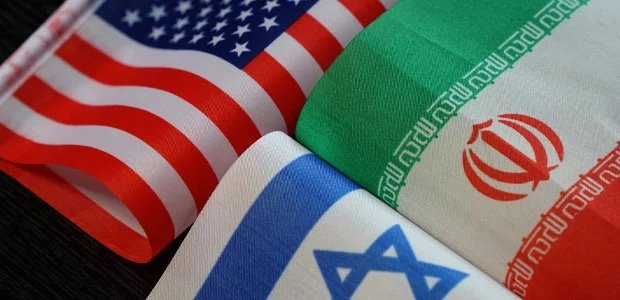
Washington – The future of the conflict involving the United States, Israel and Iran is increasingly centred on one key question: will President Donald Trump end military operations once Washington considers its main objectives achieved, or could Israeli pressure and regional developments push the United States towards a prolonged confrontation with Tehran?
The question has gained importance following Trump’s recent remarks suggesting that regime change in Iran is not his primary objective. He has said that preventing Iran from acquiring nuclear weapons remains his main priority, while indicating that Israel has broader ambitions regarding the country’s political future.
The comments have highlighted potential differences between Washington and Tel Aviv over how the conflict should end.
Washington’s priorities
For the Trump administration, the central objectives have been to weaken Iran’s nuclear capabilities, reduce its military strength and prevent Tehran from developing a nuclear weapon.
However, ending military operations does not necessarily mean ending pressure on Iran. Washington could continue using economic sanctions, diplomatic isolation and military deterrence to influence Tehran’s decisions.
A report by The Washington Post on 13 November 2026 suggested that the Trump administration was considering a strategy focused on maintaining pressure on Iran without necessarily returning to a large-scale military confrontation.
Why Israel may want continued pressure
For Israel, the issue extends beyond Iran’s nuclear programme.
The Israeli government has repeatedly expressed concerns about Iran’s missile capabilities, regional influence and support for armed groups across the Middle East.
Prime Minister Benjamin Netanyahu has also advocated a tougher approach towards Tehran, with regime change increasingly discussed as a possible strategic objective.
This could create tension if Washington concludes that its military objectives have been achieved while Israel believes further action is necessary.
Three possible scenarios
There are three broad scenarios for the next phase of the conflict.
The first is a diplomatic settlement. Trump could decide that the main US military objectives have been achieved and seek an agreement with Tehran to prevent further escalation.
The second is continued pressure without a major military campaign. Washington could maintain economic sanctions, diplomatic pressure and a military presence in the region while avoiding another full-scale war.
The third is a renewed military confrontation. A breakdown in negotiations, further attacks or renewed concerns about Iran’s military and nuclear programmes could trigger another escalation.
These remain possible scenarios rather than confirmed decisions by either government.
A difficult decision for Trump
Trump faces competing considerations. Continuing the war could increase military costs, create domestic political pressure and threaten regional stability. Ending it without a lasting agreement, however, could allow Iran to rebuild its military capabilities, raising concerns in Israel and among US allies.
The situation also has wider implications for global energy markets, international trade and security across the Middle East.
Ultimately, the central question is whether Trump will be prepared to end the war once Washington’s stated objectives have been achieved, even if Israel wants to continue its campaign against Iran.
The answer could shape not only the future of US-Israeli relations, but also Iran’s political future and the wider balance of power in the Middle East.