


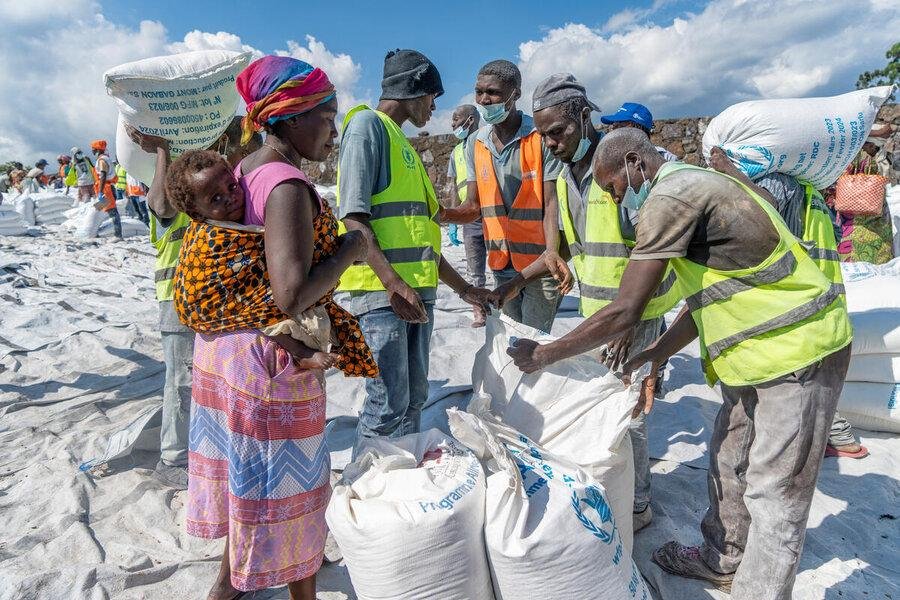
The United Nations World Food Programme (WFP) has warned that ongoing conflicts and disruptions to major global shipping routes could increase the cost of humanitarian operations and threaten food assistance for millions of people.
Luke Lindberg, the WFP’s executive director, told the UN Security Council on Monday that disruptions to the transport of food, energy and agricultural supplies were driving up the organisation’s operational costs.
He said restrictions and disruptions along key shipping routes, including the Strait of Hormuz, the Bab el-Mandeb Strait and the Black Sea, combined with the effects of climate change and the El Niño phenomenon, were putting additional pressure on humanitarian operations.
The WFP estimates that these disruptions could add around $727 million to its costs by mid-2027.
The increase could put food assistance for an additional 7.3 million people at risk, at a time when millions are already facing severe food insecurity in conflict-affected areas and poorer countries.
Maritime routes play a crucial role in transporting grain, food, fertilisers, fuel and other essential commodities. Any closure or disruption to these routes can drive up prices and make it more difficult to deliver aid to countries in need.
The World Food Programme has warned that the combined impact of conflict, rising transport costs, energy crises and climate-related disasters could further worsen hunger in several parts of the world.