


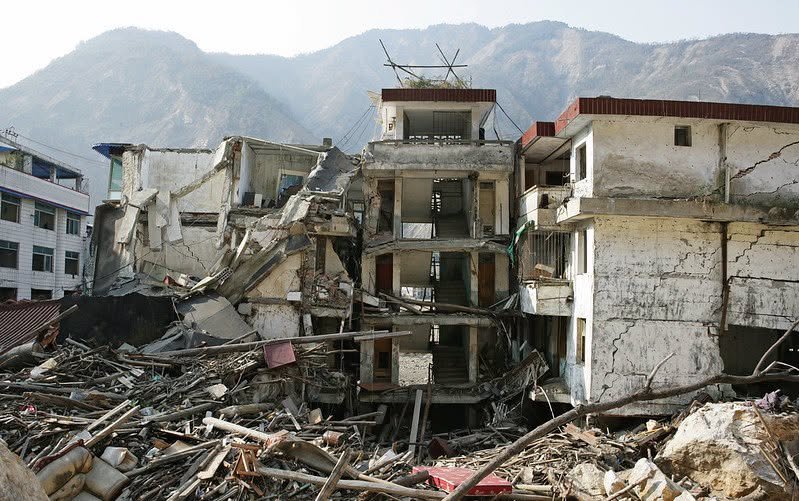
The Earth may appear stable from the surface, but its interior is constantly changing. The outer part of the planet is divided into large sections known as tectonic plates. These plates move slowly, and pressure can build up where they interact.
When the accumulated stress becomes greater than the strength of the surrounding rocks, the rocks can suddenly move along a fault. The energy released travels through the Earth as seismic waves, producing an earthquake.
Not all earthquakes cause the same level of destruction. The damage depends on several factors, including the earthquake’s magnitude, depth, distance from populated areas, local soil conditions, building quality and population density.
A powerful earthquake in a sparsely populated area with strong buildings may cause relatively limited damage. A weaker earthquake in a densely populated city with poorly constructed buildings can, however, cause major casualties.
Afghanistan is also located in a seismically active region, with the Hindu Kush and north-eastern parts of the country experiencing significant earthquakes. Strong building standards, public education, emergency preparedness and effective response systems can therefore play an important role in reducing casualties.