


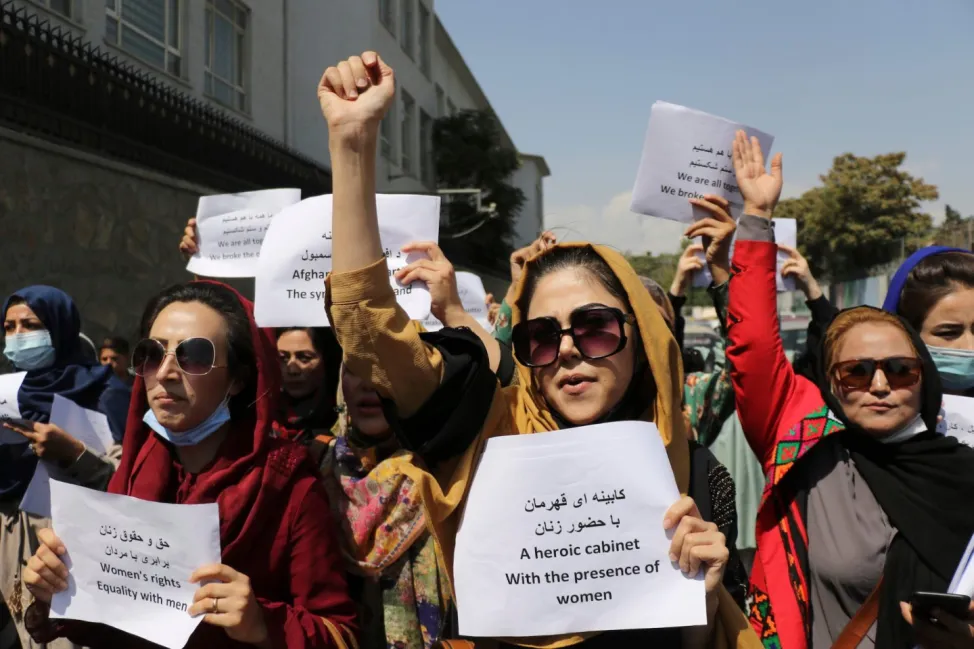
KABUL: As protests continue in Iran against the Islamic Republic, some Afghan citizens view these movements as a source of inspiration for resisting Taliban rule, a group that has been widely criticized by human rights organizations for its extensive violations of human rights, particularly those of women. According to a number of citizens, the protests against the Taliban within Afghanistan have largely remained underground due to suppression and threats. However, the developments in Iran may pave the way for more public opposition to the Taliban. Several Afghan activists on social media have criticized parts of civil society for their silence regarding the crackdown on protesters in Iran, emphasizing that indifference to human rights violations perpetuates violence. They argue that ideological governments in the region share significant similarities in their methods of repression and misogyny. Political observers consider the protests in Iran as a warning to the Taliban, noting that authoritarian regimes, even with robust security measures, are vulnerable to public outrage. Social media users insist that no government can remain stable without the consent of its people. Furthermore, social activists have pointed out that oppressive governments fear the emergence of dissenting voices from any part of the region, as these voices can resonate with other communities. The Taliban has been in power in Afghanistan for nearly four and a half years. During this time, Afghan women and girls have repeatedly protested against the restrictive policies of the group, both publicly and covertly. These protests are often met with arrests and security crackdowns. Nevertheless, opposition to Taliban policies, especially regarding the exclusion of women from public life, continues.
