


Artificial intelligence, or AI, refers to a broad range of technologies that allow computers and digital systems to perform tasks that traditionally require human abilities. These abilities can include recognising patterns, analysing information, understanding language, identifying images, making predictions, supporting decisions and generating content.
AI is not a single technology. It is a broad field containing many different methods and systems. Some AI systems are designed for specific tasks, such as facial recognition, language translation or object detection. Others can perform a much wider range of activities, including answering questions, summarising information, writing, analysing data and assisting with computer programming.
One important branch of AI is machine learning. In machine learning, a system learns patterns from data instead of relying entirely on manually written instructions for every possible situation. For example, a system trained on large numbers of animal images can learn characteristics that help it identify new images.
AI models often require large amounts of data, but the quality of that data is extremely important. If the training data is incomplete, inaccurate or unbalanced, the resulting system may produce unreliable outcomes. A large amount of data does not automatically guarantee accurate results.
AI is already being used in many areas of human life. In medicine, it can assist with analysing medical images and supporting the detection of certain conditions. In transportation, intelligent systems can help manage traffic and improve route planning. In education, AI tools can support personalised learning, translation and the creation of educational materials.
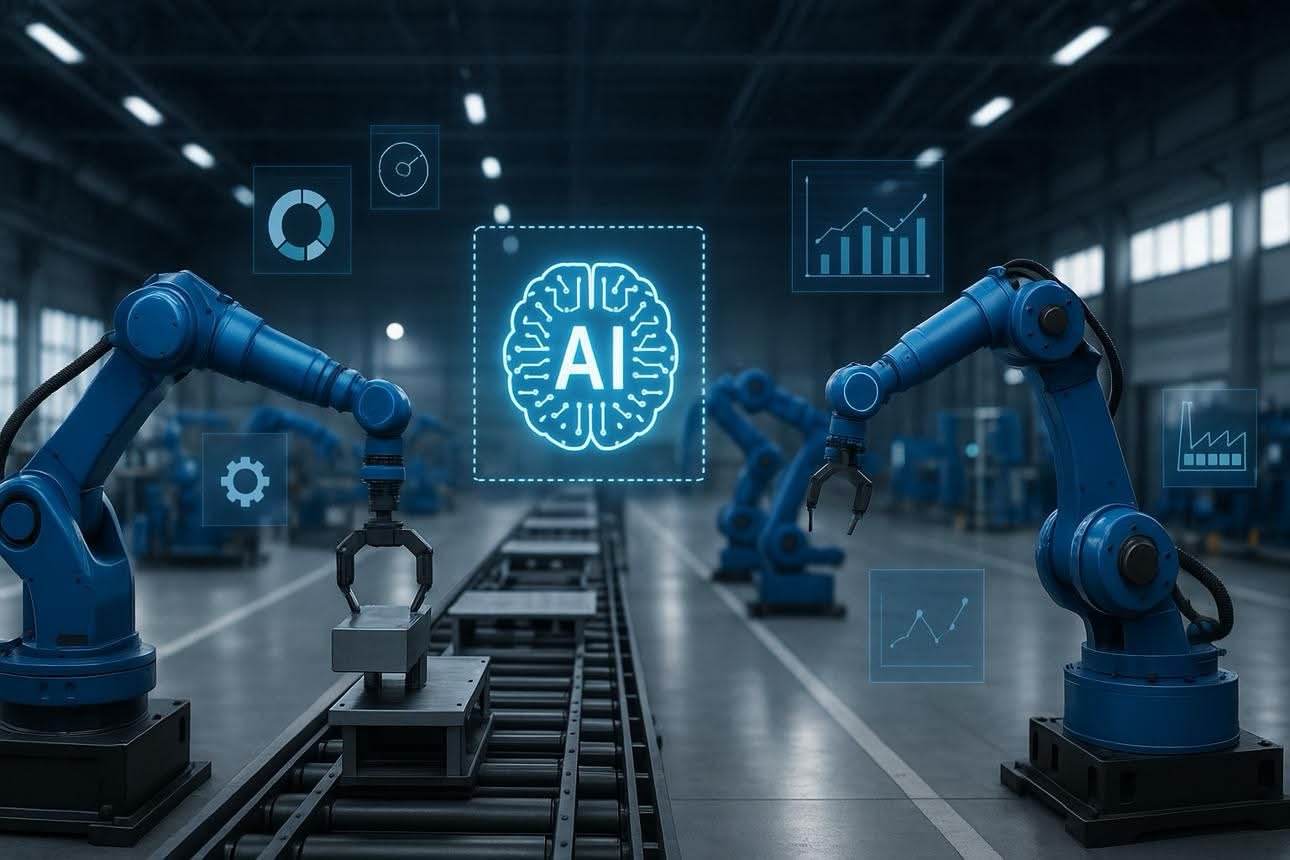
Businesses and industries are also adopting AI for a variety of purposes. Companies can use it to analyse customer behaviour, forecast demand, detect fraud and automate administrative tasks. In manufacturing, intelligent systems can monitor machinery and help identify potential problems before they lead to major failures.
Despite these advantages, AI has important limitations. An AI system can produce an incorrect answer while presenting it with a high degree of confidence. This is sometimes referred to as an AI hallucination, where a system generates information that appears plausible but is actually inaccurate or unsupported.
Privacy is another major concern. Many AI systems rely on large amounts of data, and the way that data is collected, stored and used can raise questions about personal information and security.
The labour market is also being affected. Some repetitive tasks can be performed more quickly through automation, while demand may increase for skills related to data analysis, AI tools and digital systems.
AI should therefore not be viewed simply as a tool for generating text or images. It is becoming part of the infrastructure of many industries and services. At the same time, responsible use requires attention to accuracy, security, privacy, transparency and human oversight in important decisions.
The future of AI remains uncertain. The technology is developing rapidly and its applications are likely to expand. However, the long-term value of AI will depend not only on technological progress but also on how responsibly people and institutions use and regulate it.