


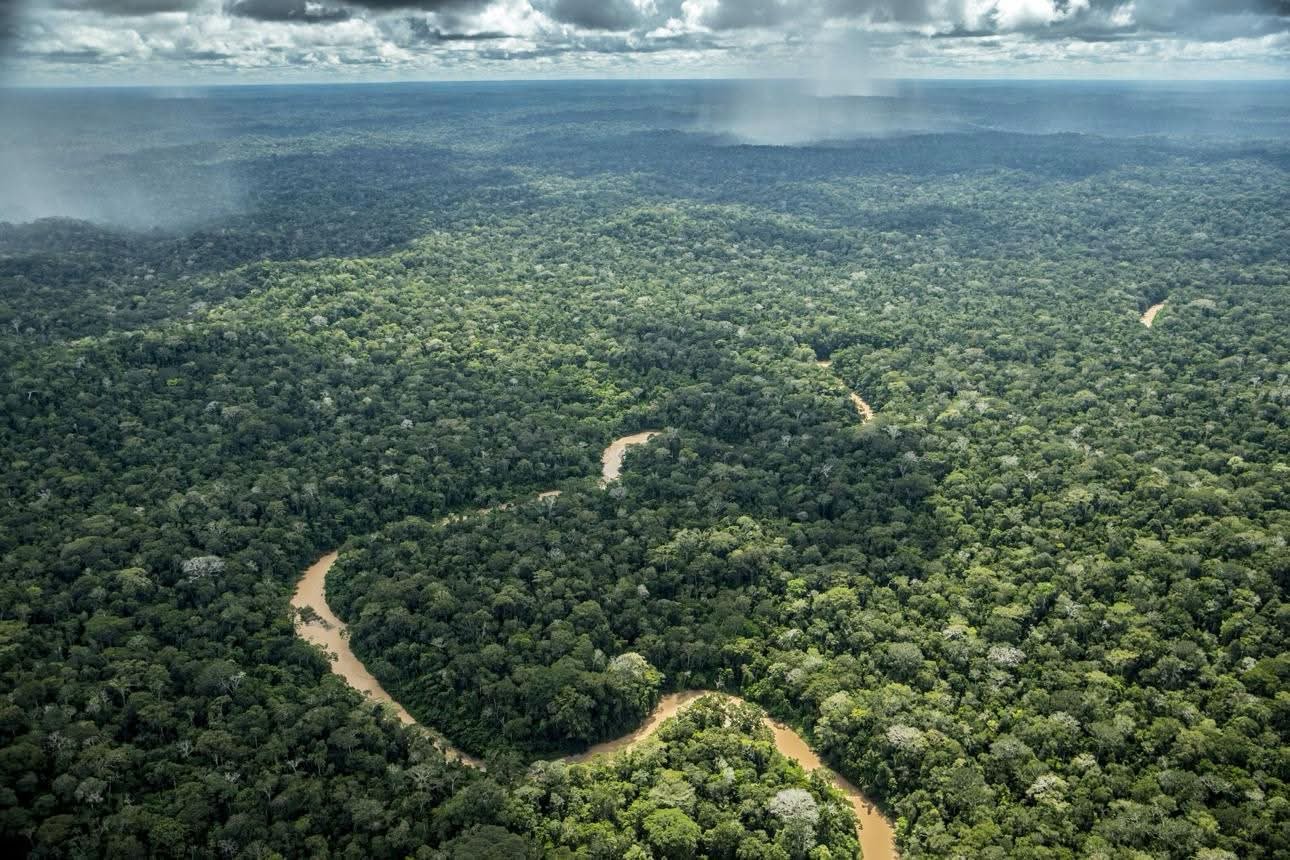
Forests are among the most important components of the Earth’s environment. They play a major role in maintaining ecological balance, regulating climate and supporting the survival of living organisms. Forest ecosystems contain trees, shrubs, plants, animals, insects and microscopic organisms that interact within a complex natural system.
One of the most important functions of forests is absorbing carbon dioxide from the atmosphere.
Through photosynthesis, trees use sunlight to convert water and carbon dioxide into sugars and release oxygen. This process helps regulate the amount of carbon in the atmosphere. Forests also store significant amounts of carbon in tree trunks, roots and soil.
are equally important to the water cycle. Trees absorb water through their roots and release some of it into the atmosphere through their leaves, a process known as transpiration. This contributes to atmospheric moisture and influences local climate conditions. Tree roots also help protect soil from erosion caused by wind and rainfall.
ms of biodiversity, forests provide habitats for enormous numbers of animal and plant species. Some animals spend their entire lives in forests, while others depend on these environments for food, reproduction and shelter. Forest destruction can eliminate habitats and disrupt natural ecosystems.
espite their importance, forests face serious threats in many parts of the world. Deforestation, agricultural expansion, wildfires, resource extraction and climate change are among the major factors contributing to forest loss.
Protecting forests involves more than simply preventing tree cutting. Sustainable forest management, wildfire prevention, restoration of damaged areas and responsible use of forest resources are also essential. Forests are valuable for future generations, making their protection an important responsibility for humanity.