


Oceans form the largest part of Earth’s water system and play a fundamental role in supporting life on the planet. About 71 percent of Earth’s surface is covered by water, with oceans accounting for most of it. The five major oceans are the Pacific, Atlantic, Indian, Southern and Arctic oceans.
Oceans are not simply vast bodies of water. They are also among the most important natural systems regulating the planet’s climate. Ocean waters absorb large amounts of solar heat and redistribute it around the world. Ocean currents transport heat between regions and influence weather and climate in many countries.
The oceans are also important sources of food. Millions of people around the world depend on fish and other marine resources as part of their diets. Fishing also provides employment and income for many coastal communities.
A significant share of global trade is transported by sea. Commercial ships carry raw materials, food, industrial equipment and consumer goods between countries every day. As a result, ports and major shipping routes are essential components of the global economy.
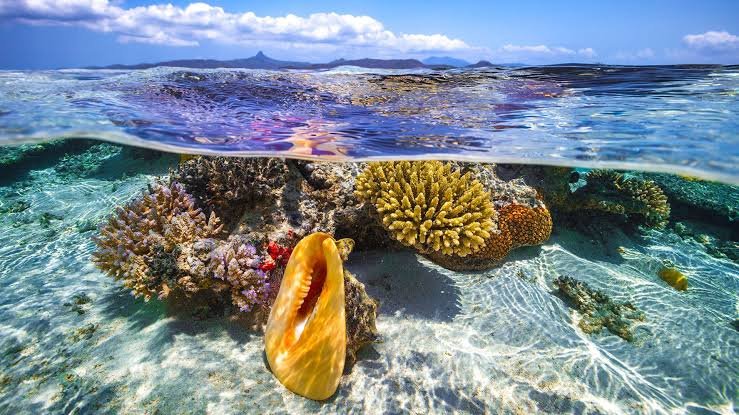
Oceans also contain enormous biological diversity. Millions of marine species live in ocean ecosystems, ranging from microscopic organisms to whales and other large animals. Coral reefs, mangrove forests and other marine habitats support a wide variety of life.
Despite their importance, oceans face serious threats, including plastic pollution, rising water temperatures, ocean acidification, overfishing and the destruction of marine ecosystems. Protecting the oceans is therefore important not only for wildlife and the environment but also for human economies and livelihoods.