


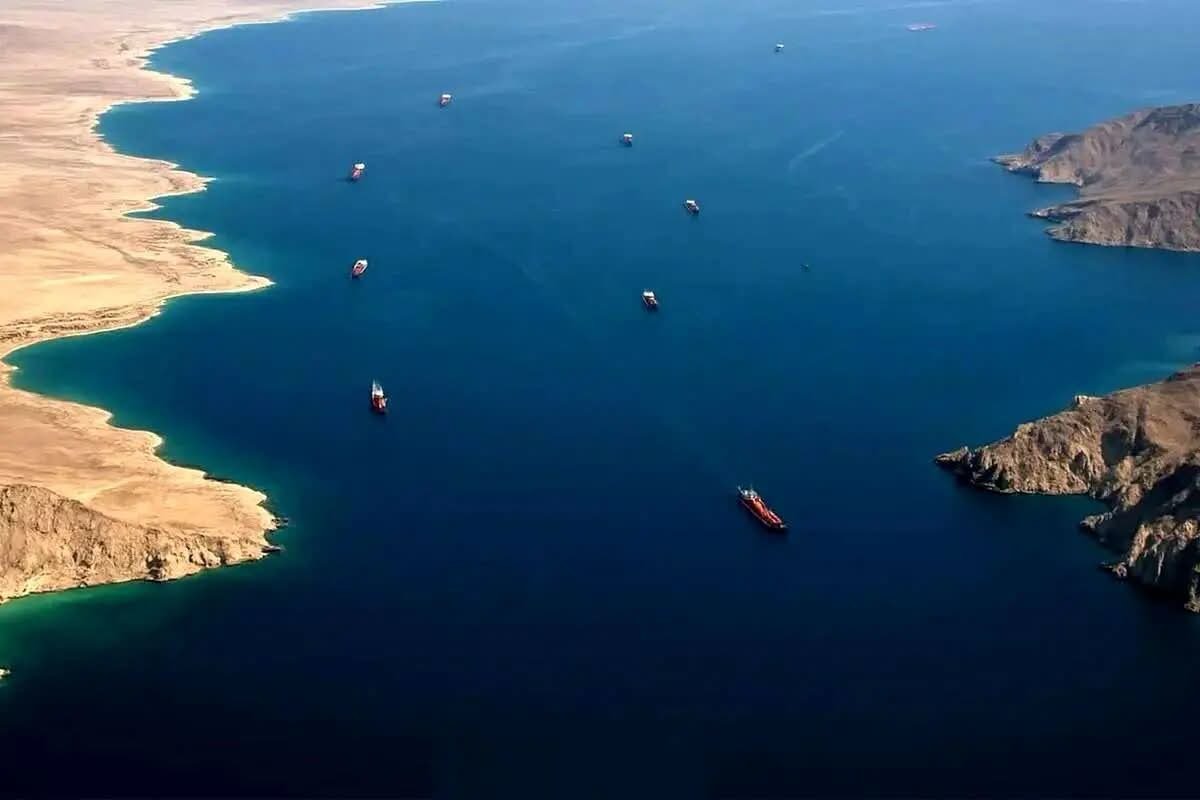
The Strait of Hormuz is one of the world’s most important waterways. It lies between Iran and Oman and connects the Persian Gulf with the Gulf of Oman and the wider Indian Ocean. Its importance comes largely from its role in the transportation of oil and natural gas.
Large quantities of crude oil and petroleum products from Gulf countries pass through the Strait of Hormuz on their way to markets in Asia, Europe and other parts of the world. Major oil producers, including Saudi Arabia, Iraq, Kuwait, the United Arab Emirates and Iran, rely on the waterway for part of their energy exports.
The importance of the Strait is not limited to oil. Significant volumes of liquefied natural gas are also transported through the waterway. Any serious disruption to shipping could therefore affect global energy prices and create wider economic uncertainty.
Geographically, the Strait is relatively narrow at its most restricted points, making it particularly sensitive from a security perspective. Iran lies to the north and Oman to the south. Several islands and coastal areas around the Strait also have strategic and military importance.
The Strait of Hormuz has repeatedly become a focus of international attention during political and military tensions involving Iran, the United States and other countries in the region. Concerns about a possible closure or disruption of the waterway can quickly affect energy markets because so much oil and gas from the Gulf region depends on maritime routes through the Strait.
Several Gulf countries have developed alternative pipelines and other routes to transport part of their energy exports without passing through Hormuz. However, these alternatives do not have enough capacity to completely replace the volume of energy normally transported through the Strait.