


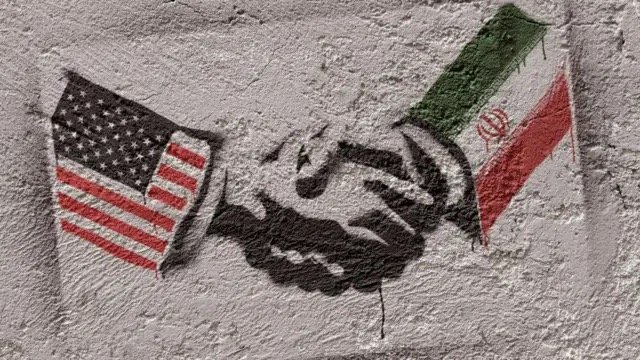
Tensions between Iran and the United States continue to escalate, as military confrontations, economic pressure and stalled diplomatic efforts raise concerns about the possibility of a wider regional conflict.
The strategic Strait of Hormuz has become a major focal point of the crisis, with several attacks on commercial vessels reported in recent days. The waterway is one of the world’s most important routes for global oil shipments, and disruptions to shipping have raised concerns about energy supplies and international trade.
Maritime authorities have reported attacks on tankers near the Strait of Hormuz, including incidents close to the Omani coast. The attacks have further increased security concerns among shipping companies operating in the region.
Iran has also claimed that its air defence forces intercepted American drones over the Strait of Hormuz. The claims have not been independently verified.
Meanwhile, Washington continues to apply military and economic pressure on Tehran. The United States has maintained restrictions on Iranian maritime activity and imposed additional sanctions on individuals accused of helping Iran circumvent financial restrictions.
Diplomatic efforts to end the conflict remain uncertain. Both sides have expressed interest in negotiations, but disagreements over sanctions, Iran’s nuclear programme, maritime security and military activities continue to complicate the prospect of a lasting agreement.
US President Donald Trump has said that Iran wants a deal, but that Washington would not accept an agreement on terms it considers inadequate. Iranian officials, meanwhile, have called for changes to US pressure measures and have maintained that their country’s interests and security must be protected.
The conflict has also raised concerns among neighbouring countries, particularly those dependent on regional trade, energy exports and maritime security.
What happens next?
Analysts say there are several possible scenarios for the coming weeks.
The first is a continuation of limited military exchanges and economic pressure, without a major escalation.
The second is a temporary ceasefire, potentially facilitated by regional mediators, which could create an opportunity for further negotiations.
The third, and potentially most dangerous scenario, is a wider escalation following a major military incident or an attack resulting in significant casualties.
For countries across the region, including Afghanistan, the consequences could be significant. Rising oil prices, higher transport costs, disrupted trade routes and increased food prices could place further pressure on already fragile economies.
At present, there is no clear indication that the conflict is close to a definitive resolution. The coming days may prove crucial in determining whether the situation moves towards renewed diplomacy or a further escalation of hostilities.
As tensions continue, the international community is watching closely, with growing concerns over regional stability, global energy security and the humanitarian consequences of a prolonged conflict.