

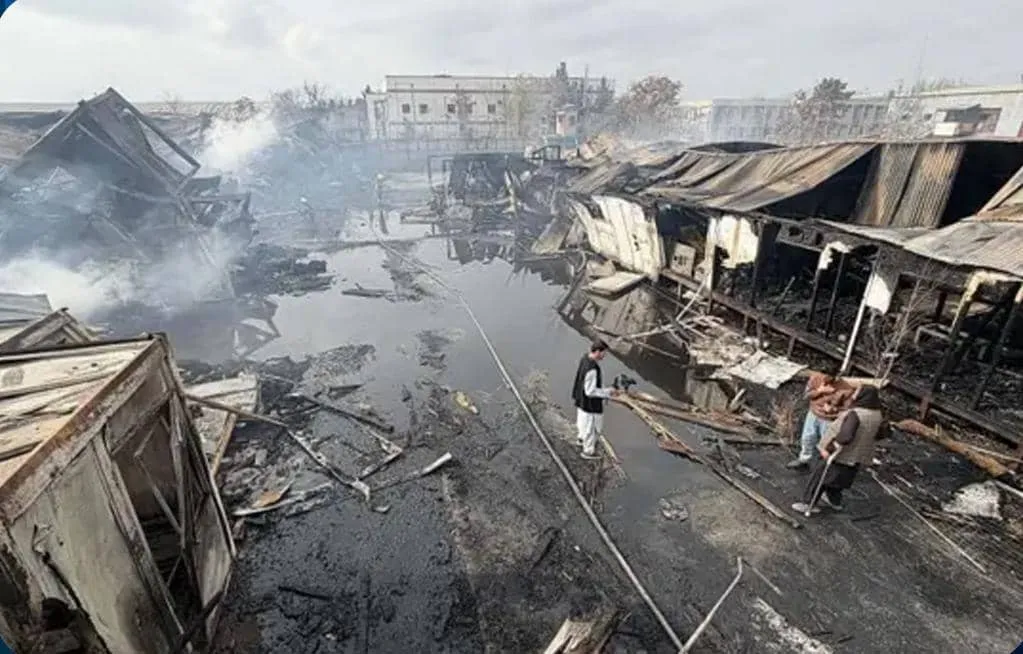
The United Nations, the European Union, and a number of religious scholars from Afghanistan and Pakistan have called for the continuation of the ceasefire and the peaceful resolution of disputes between the two sides. The European Union has urged the Taliban and the government of Pakistan to reduce violence, ensure the protection of civilians, and respect territorial integrity. The EU also stressed that Afghan territory must not be used to threaten or attack other countries and called on the Taliban to take effective action against armed groups operating inside or outside the country. It also noted that existing restrictions have made the work of international organizations and humanitarian assistance more difficult. Afghanistan and Pakistan, with mediation by Saudi Arabia, Qatar, and Turkey, announced a temporary ceasefire before Ramadan. Taliban officials have claimed that Pakistan targeted Kunar province with heavy weapons during this period, an allegation Pakistan has denied. A number of religious scholars have called for extending the ceasefire until Eid al-Adha so that people can observe religious rituals in a peaceful environment and allow time to find lasting solutions to the crisis. UN experts have called for a permanent ceasefire and respect for international law, describing recent Pakistani attacks on Afghanistan as violations of human rights and lacking legitimacy. According to official Afghan reports, in one Pakistani airstrike on the Omid drug treatment center in Kabul, more than 400 people were killed and hundreds more were injured.
- Advertisment -