


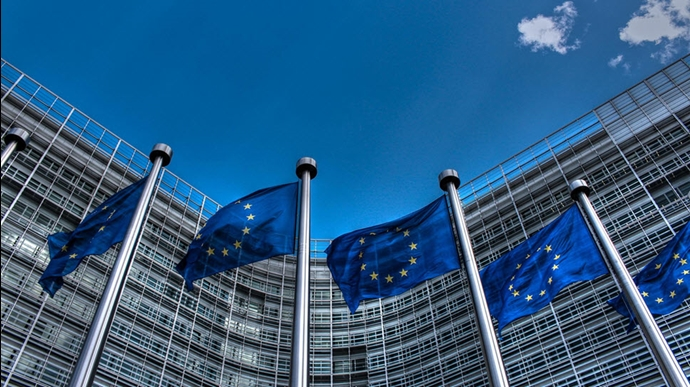
European leaders, including those of Germany, Spain, and Italy, have declined a request from U.S. President Donald Trump to participate militarily in ensuring the անվտանգ passage of ships through the Strait of Hormuz. These countries stated that they currently have no plans to deploy troops or naval vessels to the المنطقة and are only willing to support efforts through diplomatic and non-military means. German Defense Minister Boris Pistorius said, “This is not our war, and we did not start it. What could one or two European frigates achieve that the powerful U.S. Navy cannot?” A German government spokesperson also emphasized that the conflict is not related to NATO, and Germany does not intend to become involved. Meanwhile, the United Kingdom and Denmark announced they are reviewing how they might contribute, while stressing the importance of de-escalation and avoiding being drawn into a broader conflict. UK Prime Minister Keir Starmer added that his country is working with allies on a collective plan to ensure safe maritime passage without entering into a large-scale war. The European Union is considering expanding its “Aspides” naval mission to the Strait of Hormuz. This mission currently protects ships in the Red Sea from attacks by Houthi forces. However, Greece, which leads the mission, has stated that its participation will remain limited to the Red Sea. China is also engaging with all parties in an effort to reduce tensions in the region. Officials from the Netherlands and Denmark believe that any military action or NATO involvement would require time, careful planning, and must be practical with tangible impact. Overall, European countries are maintaining a cautious stance, expressing readiness to support safe maritime navigation through diplomatic and non-military measures while seeking to prevent further escalation.
