

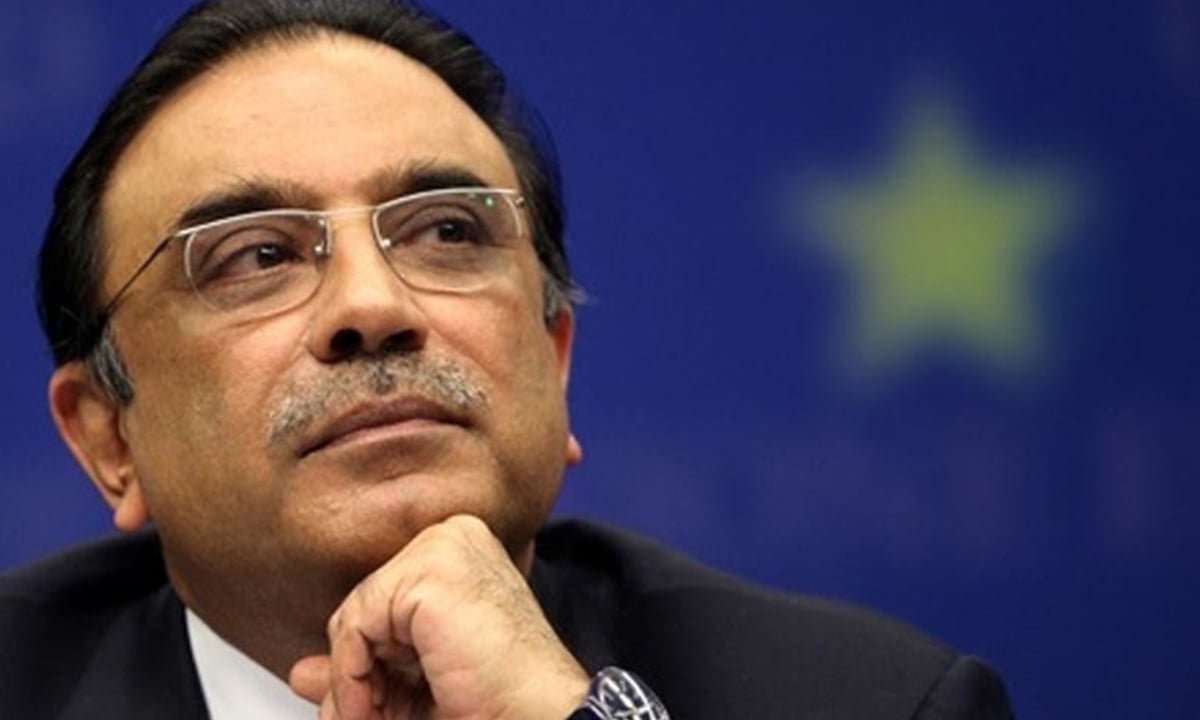
ISLAMABAD: Asif Ali Zardari, the President of Pakistan, recently stated that the recent airstrikes by the Pakistani military on parts of Nangarhar and Paktika represent Pakistan’s “right” to defend its people against “cross-border terrorism.” He warned, “Those responsible for bloodshed within Pakistan will not remain beyond reach.” Meanwhile, the Taliban described the attacks as “aggression and targeting civilians,” claiming that over 20 civilians, including children and women, were killed in the Behsud district of Nangarhar. Pakistani officials, however, assert that nearly 70 militants were killed in these strikes. On Saturday night, Pakistani aircraft bombed parts of the Khogyani, Ghani Khel, and Behsud districts in Nangarhar, as well as the Barmal district in Paktika. The Taliban’s Ministry of Defense announced that it would provide a “calculated response at an appropriate time,” emphasizing that attacks on civilian targets and religious sites reflect the intelligence and security failures of the Pakistani military and will not cover up their internal shortcomings. Pakistan’s Ministry of Information and Broadcasting previously stated that the attacks were “retaliatory” in response to recent suicide bombings and vehicle bombings in Shia mosques in Islamabad, Bajaur, and Bannu, which Tehrik-e-Taliban Pakistan (TTP) and the ISIS-Khorasan branch claimed responsibility. These airstrikes have faced criticism and condemnation from various countries, international organizations, and former Afghan leaders. India’s Ministry of External Affairs noted that the attacks have resulted in civilian casualties, including women and children, during Ramadan, calling Pakistan’s actions an attempt to hide its internal failures. Reiterated its support for Afghanistan’s sovereignty and independence. Several entities and figures have stressed the need to respect national sovereignty and protect civilians, stating that these attacks threaten regional stability and complicate border security crises. Some former Afghan leaders have also called for dialogue and regional cooperation to combat cross-border terrorism.
- Advertisment -