

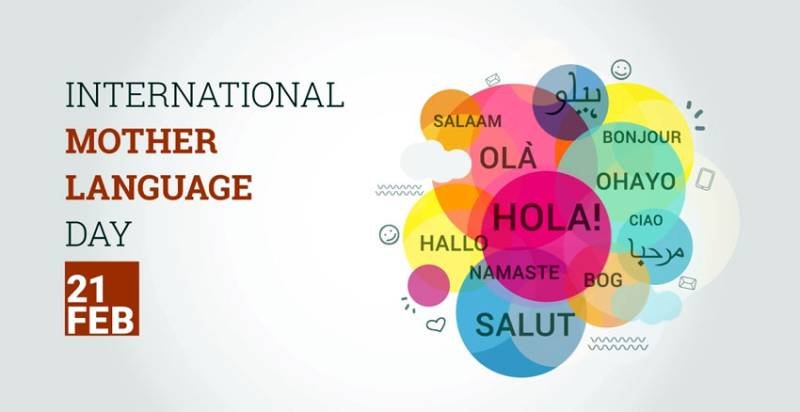
KABUL: February 21 is observed annually as International Mother Language Day, a day dedicated to preserving languages and promoting their cultural and social value. Language is not just a means of communication, but also a living repository of history, traditions, and values. The day is celebrated in many countries each year, often with the participation of representatives from multilingual communities under the framework of UNESCO. Language serves as a crucial vehicle for transmitting culture between different communities. A mother tongue is defined as the language a child learns from early childhood from parents or close family members. International leaders, including Nelson Mandela, have emphasized the emotional significance of speaking in one’s native language, noting that communication in a mother tongue touches the heart, not just the mind. Speaking in the mother tongue helps children express their feelings and emotions naturally and makes learning easier, allowing them to access deeper concepts and knowledge without barriers. Beyond individuals, mother languages are vital to the identity of entire nations. Many cultural heritages are best understood and preserved when the original language remains alive. UNESCO officially proclaimed February 21 as International Mother Language Day in 1999 to raise awareness of linguistic diversity, promote respect among different cultures, and prevent the marginalization or disappearance of native languages.
