
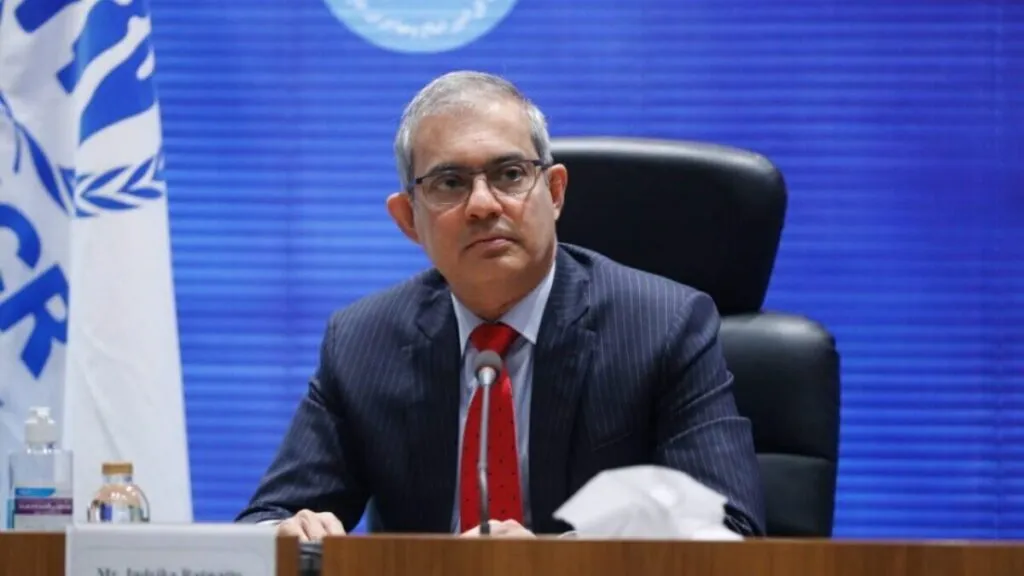
KABUL: Indrika Ratwatte, the UN Humanitarian Coordinator in Afghanistan, has stated that the country is grappling with three significant crises, drought, the return of migrants, and a decline in global aid. Drought has impacted 70% of the agricultural population, severely affecting food security. Additionally, the return of 2.5 million migrants from Iran and Pakistan, coupled with the global financial crisis, has diminished critical resources. So far, only 37% of the UN’s humanitarian aid requests for Afghanistan have been met, leading to the closure of 400 health centers and 300 nutrition service centers, depriving millions—especially children and mothers—of essential services. Ratwatte hopes that the year 2026 will create a better environment for women and girls to play a role in the country’s reconstruction. He emphasized that programs focused on health, education, social support, and livelihoods are truly lifesaving, and the people are demanding the continuation and expansion of these initiatives. According to the UN Office for the Coordination of Humanitarian Affairs, nearly 21.9 million people, equivalent to 45% of Afghanistan’s population, will require humanitarian assistance in 2026.
- Advertisment -